Stagecoach 2026 made headlines this week — but you don’t need a ticket to Indio, California to experience festival magic. With some creative planning and the right setup, your backyard can become the neighborhood’s most talked-about outdoor venue. Here’s exactly how to do it.
1. Plan Your Backyard Stage Area
Define the Performance Zone
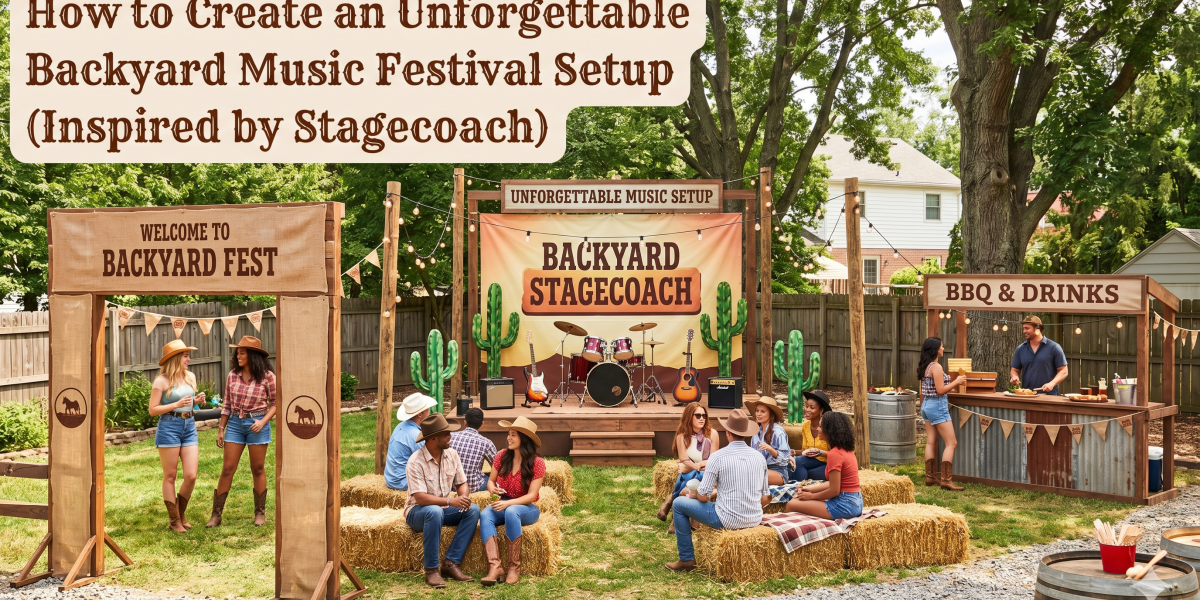
Mark a 10×12 foot area as your “stage” — even without an actual platform, defining this space mentally organizes the rest of your layout. Place it against a fence or hedge that serves as a natural backdrop. Hang a stretch of fabric (muslin, canvas, or even an old sheet) in a bold color as the stage backdrop.
Elevation Options on a Budget
A raised stage immediately signals “this is a performance space.” Options: rent a 4×8 foot portable staging deck ($60–$100/day from party rental companies), stack 6-inch concrete pavers to create a low platform ($40 total), or use a deck or patio as your natural stage.
Sound Setup
Bluetooth speakers in the $100–$300 range (like the JBL PartyBox 110 or Bose SoundLink Max) deliver surprisingly powerful outdoor audio. Place them at 45-degree angles from the front corners of your stage area. For larger backyards, use two units wirelessly connected in stereo mode.
2. Festival Seating: Think Layers, Not Rows
Real music festivals create seating “zones” — front-row standing room, a midground of blankets and low chairs, and a back “VIP lounge” with higher seating. Replicate this: use picnic blankets for the front 15 feet, camping chairs in a curved row behind, and two or three Adirondack chairs on the back perimeter.
DIY Hay Bale Seating
Buy 8–10 hay bales from a farm supply store ($7–$12 each) and arrange them in a semicircle. Throw outdoor cushions or blankets over them for comfort. They’re stable, stackable, and unmistakably festival.
3. Lighting That Transforms Your Space After Dark
String Light Architecture
The single biggest transformation in any outdoor space is string lighting. For festival style: hang strings in a canopy pattern from 4 corner posts (use 8-foot conduit pipes from a hardware store as temporary poles). Cover a 20×20 foot area with warm white bulbs for about $80 total.
Colored Lighting Effects
Uplighting — placing lights at ground level aimed upward at trees, fences, and plants — creates dramatic festival ambiance. Solar-powered stake lights in multiple colors run $25–$40 for a 12-pack and require no wiring.
Stage Wash Lighting
Clip two PAR can LED lights ($30–$50 each on Amazon) to a fence or crossbeam above your stage area and aim them at the performance space. These wash the stage in color and are the same technology used in professional concerts.
4. Food and Drink Station Setup
No festival is complete without great food. Set up a dedicated “concession zone” away from the stage: use a folding table with a checkered tablecloth, label mason jars with drink options, and use a vintage cooler as a centerpiece. String a small banner that reads “Festival Drinks” or name it after your event.
The DIY Bar Cart
A simple bar cart ($60–$120 at Target or Amazon) stocked with drink supplies becomes a festival drink station with the addition of a chalk sign, some greenery, and a string of mini lights wrapped around the frame.
5. Decor Details That Make It Feel Real
- Pennant flag bunting strung between poles: $15–$25
- Oversized letter balloons spelling MUSIC or your event name: $20
- A hand-painted or chalkboard sign with the “lineup”: free
- Bandana napkins in your color palette: $10 for a dozen
- Flower crowns as giveaways for guests: $5–$10 each DIY
- Photo booth corner with a fun backdrop and props basket: $30–$50
6. FAQ — Backyard Festival Setup
Q: How do I get loud outdoor sound without bothering neighbors?
A: Direct speakers toward the audience (away from property lines), avoid bass-heavy music after 9 PM, and consider notifying neighbors in advance. Many municipalities limit outdoor noise to 65 decibels after 10 PM.
Q: What permits do I need for a backyard event?
A: Private residential gatherings typically don’t require permits unless you’re charging admission. If you have more than 50 guests or use amplified sound past 10 PM, check with your local municipality for noise ordinance requirements.
Q: How far in advance should I plan a backyard festival?
A: For a great result, plan 3–4 weeks ahead to order supplies, arrange rentals, and invite guests. You can pull together a respectable setup in 1 week with fast shipping and local purchases.
Q: What’s the best time of year for an outdoor backyard event?
A: Late May through early October in most US climates. Avoid peak heat hours (2–5 PM) in July and August — plan your event from 4 PM into the evening for the best experience.