Most Midjourney users write prompts the same way they’d do a Google search. The results reflect it — generic, flat, technically correct but emotionally empty. The difference between a mediocre Midjourney image and one that could sell as a print comes down to a specific prompt structure that most tutorials never teach.
The 7-Part Cinematic Prompt Formula
| Part | Element | Example |
| 1 | Subject + action | A lone samurai standing at the edge of a cliff |
| 2 | Environment + time | At dusk, overlooking a vast misty valley |
| 3 | Lighting specification | Rim-lit from behind by fading amber sunlight |
| 4 | Camera angle | Low angle, wide establishing shot |
| 5 | Mood / emotional tone | Melancholic, contemplative, cinematic stillness |
| 6 | Technical specs | Shot on ARRI Alexa, anamorphic lens, shallow depth of field |
| 7 | Style reference | In the visual style of Roger Deakins cinematography |
The Lighting Prompts That Transform Output Quality
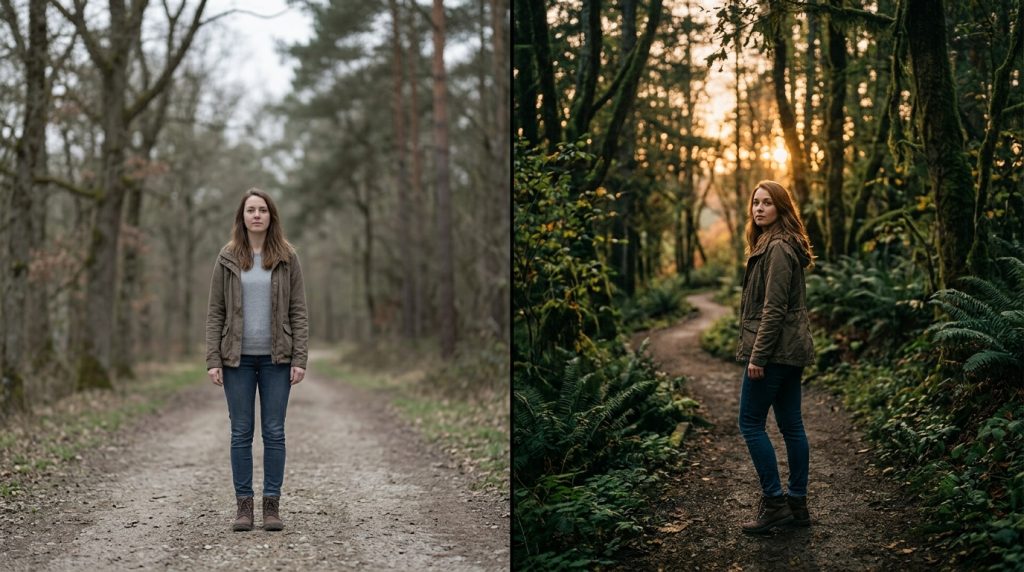
Lighting is the single most impactful variable in AI image quality. Novice prompts say ‘beautiful lighting.’ Expert prompts specify: the direction of the light source, the quality of light (hard, soft, diffused), the color temperature, and the ratio between lit and shadow areas.
Three lighting setups consistently produce cinematic results: golden hour rim lighting (subject backlit by warm sunset), overcast diffused daylight (shadowless, even, melancholic), and practical neon lighting (nighttime urban, colored light sources in frame). Each creates a distinct emotional register instantly.
| Lighting Type | Prompt Language | Emotional Result |
| Golden hour rim | Backlit by warm amber sunset, rim lighting on edges | Hopeful, epic, triumphant |
| Overcast diffused | Flat diffused light, overcast sky, soft shadows | Melancholic, quiet, introspective |
| Neon practical | Lit by neon signs, colored ambient light, wet streets | Tense, cinematic, urban noir |
| Moonlight | Moonlit, cold blue highlights, deep shadows | Mysterious, dramatic, ominous |
| Candle/fire light | Warm orange firelight, deep contrast, flickering shadows | Intimate, historical, warm |
Negative Prompts: What to Exclude
Adding negative prompts (–no in Midjourney or the negative prompt field in other tools) is as important as the positive description. The most common outputs to exclude: cartoonish, blurry, distorted hands, low quality, watermark, text, oversaturated, plastic skin, artificial looking.
For news and editorial images, always add: no text, no watermarks, no logos, no brands. For portrait work: no distorted features, no extra fingers, no merged limbs. For architecture: no lens distortion, no floating elements, no impossible geometry.
The Aspect Ratio and Resolution Settings for Discover
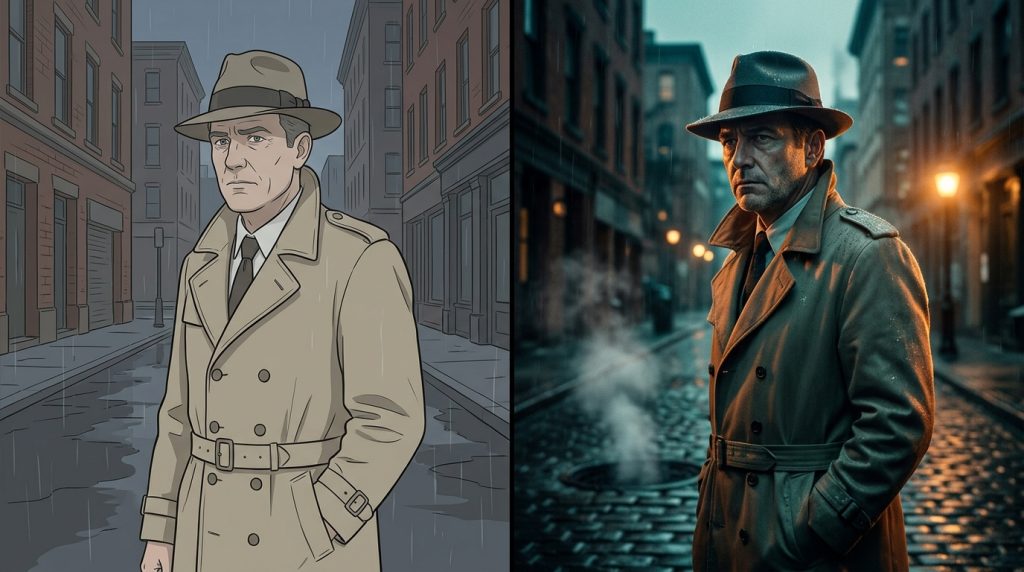
For Google Discover featured images, the required minimum is 1200px wide with a 16:9 aspect ratio. In Midjourney, use –ar 16:9. For Freepik Flux or DALL-E 3, set the output to landscape. Never use square images as featured images for Discover — the algorithm specifically requires wide-format images to activate the large preview card.
❓ Frequently Asked Questions (FAQ)
What version of Midjourney produces the most cinematic results?
Midjourney v6.1 and v7 (2026) produce the most photorealistic and cinematically styled outputs. For painterly or illustration styles, v6 with specific style parameters remains popular among digital artists.
How specific should a Midjourney prompt be?
More specific is almost always better for quality. A prompt with 40–60 words will outperform a 10-word prompt for cinematic work. Include lighting, camera, mood, technical specs, and style references for maximum quality.
Can Midjourney images be used commercially?
Paid Midjourney subscribers can use images commercially under the platform’s terms. Free tier users cannot. Always verify the current terms of service, as they are subject to change.
How do you maintain consistent characters across multiple Midjourney images?
Use the –cref (character reference) parameter with an existing image to maintain character appearance across new scenes. This feature was introduced in 2024 and is the most effective tool for character consistency.
What’s the difference between Midjourney and Freepik AI for editorial images?
Midjourney excels at stylized, artistic, and cinematic outputs with fine control. Freepik AI (Flux-based) produces more consistent editorial-safe images and integrates with a stock image library, making it preferable for publishers who need rights-clear images quickly.